
-By Rishiram Paudel
Mandarin cultivation in Kathekhola Rural Municipality once faced a challenging reality. Despite favorable agro-climatic conditions and the production of high-quality fruit, farmers struggled with low productivity, severe pest damage, and poorly developed market systems. A major threat was the Chinese citrus fruit fly (Bactrocera minax), which caused devastating losses up to 80 percent in heavily affected orchards. Even in better-managed farms, losses of at least 20 percent of marketable fruit were common, significantly reducing incomes and eroding farmers’ confidence in mandarin farming.
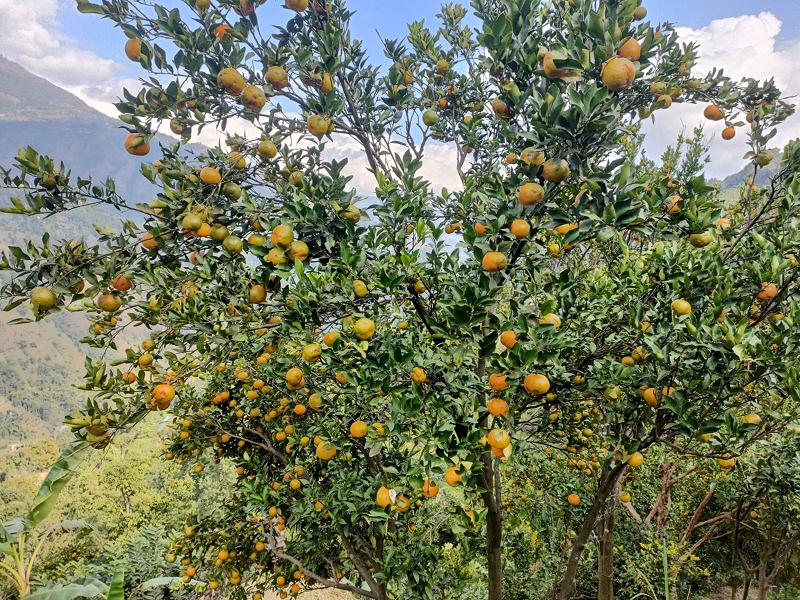
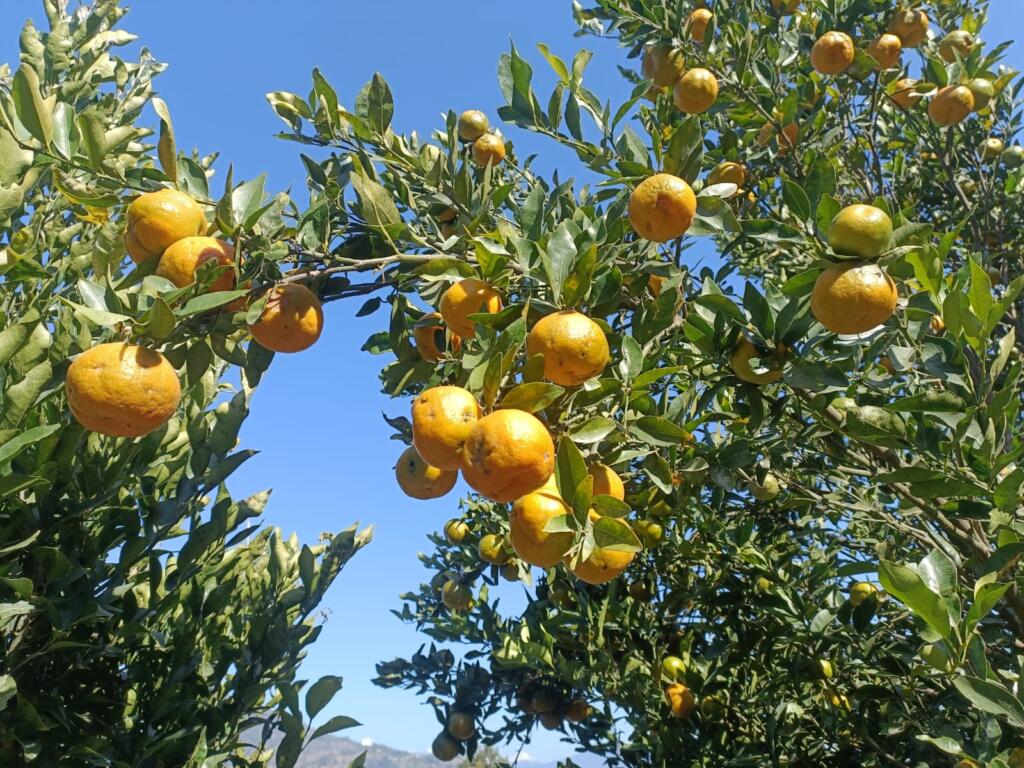
Marketing challenges further compounded these problems. Before project interventions, farmers received only NPR 45-65 (USD 0.31-0.44) per kilogram of mandarin. Local agents and outside contractors typically bought entire orchards well before fruit maturity, forcing farmers into distress sales without knowing the true market value of their produce. With little access to market information, quality-based pricing, or alternative buyers, farmers remained price-takers with minimal bargaining power.
Although Bihukot Smallholder Farmer Cooperative Ltd. existed in the area, it played no active role in mandarin marketing. Farmers lacked structured marketing services, collective sales mechanisms, and opportunities for value addition. Most importantly, Kathekhola mandarins had no brand identity. Despite being recognized locally for their quality, the fruit was sold anonymously, without promotion or recognition in the market.
This situation began to change with the introduction of a comprehensive project aimed at strengthening the citrus subsector in Kathekhola. One of the first major breakthroughs was the area-wide adoption of protein bait technology to control citrus fruit fly, combined with orchard sanitation practices such as collecting and properly disposing of infested fallen fruits. Within the very first year, fruit fly infestation dropped dramatically to as low as 4 percent. This improvement significantly enhanced fruit quality, reduced losses, and laid a strong foundation for better marketability.
At the same time, focused efforts were made to transform mandarin marketing. Bihukot Smallholder Farmer Cooperative Ltd. was onboarded and strengthened to lead aggregation, branding, and market linkage. For the first time, Kathekhola mandarins entered the market under a collective brand name “Kesra.” This marked a turning point, shifting mandarins from an unrecognized bulk commodity to a premium, identifiable product.
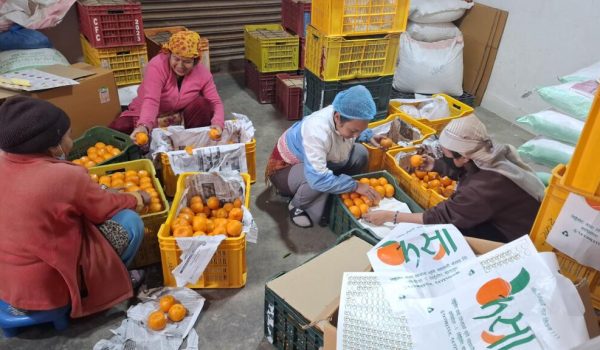
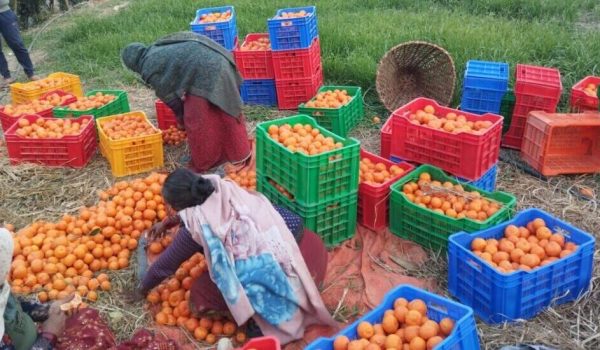
Brand promotion played a crucial role in building market presence. Participation in events such as the Baglung Mahotsab increased national-level visibility and recognition of the Kesra brand. These platforms helped build trust among consumers and buyers while reinforcing Kathekhola’s identity as a premium mandarin-producing area.
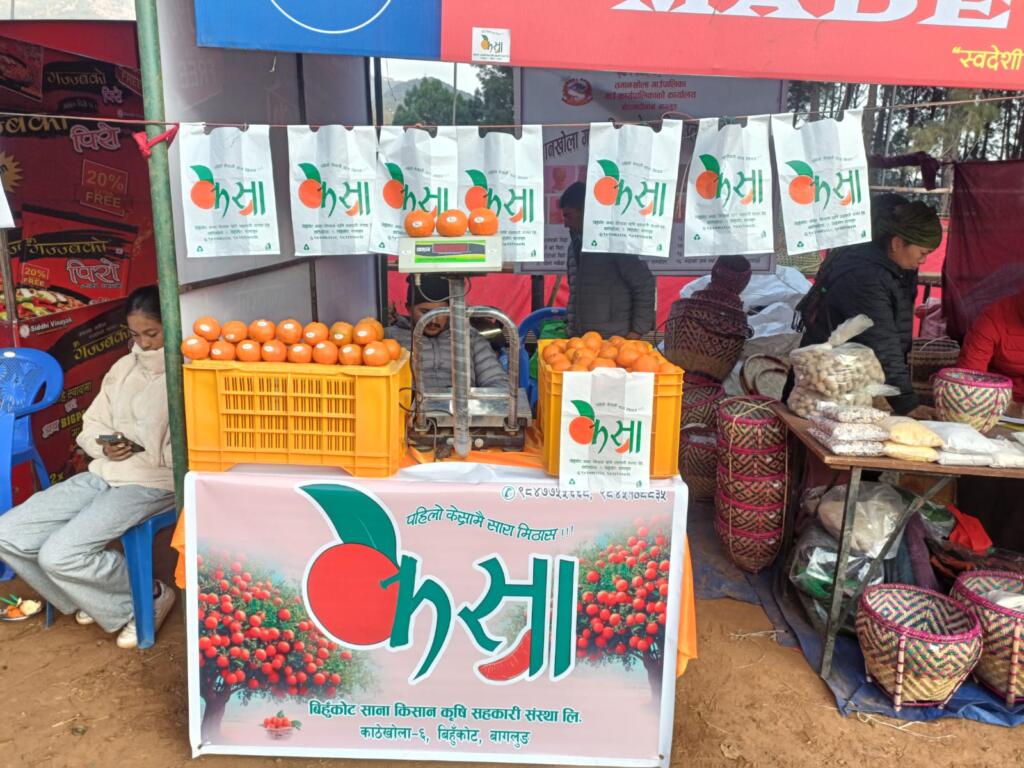
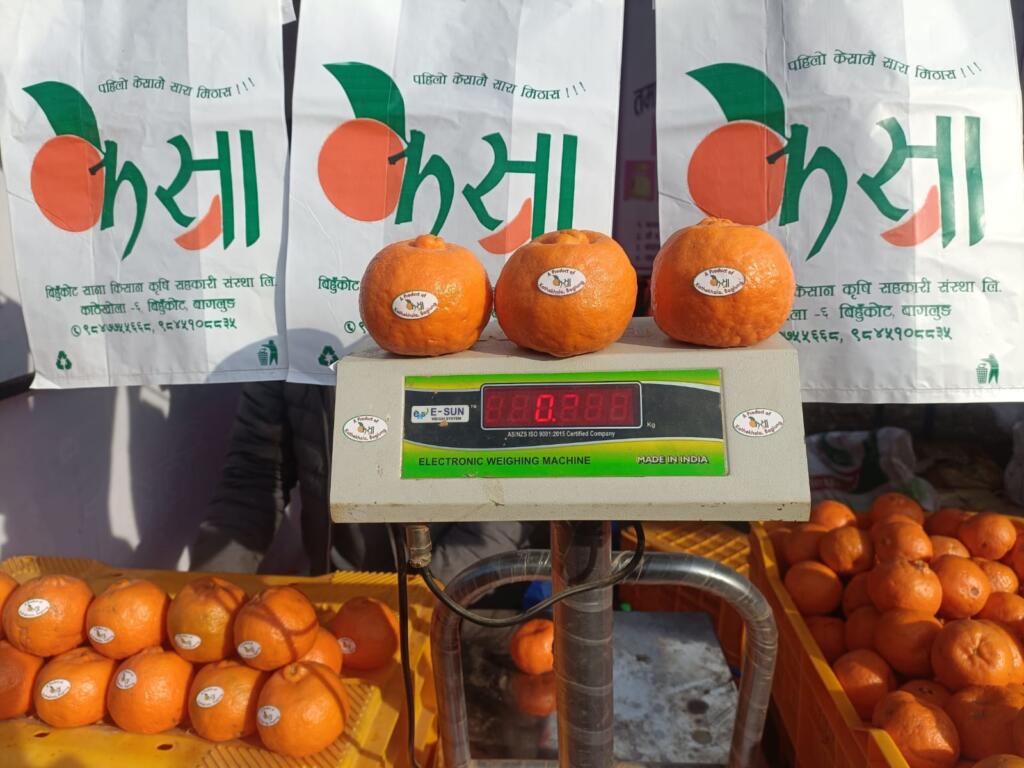
Under the Kesra brand, mandarins were attractively packaged to highlight their origin and quality. This strategy generated strong demand in major domestic markets, including Kathmandu, Pokhara, and Chitwan. To date, the cooperative has successfully marketed 7 tons of mandarins, reflecting growing consumer confidence and the effectiveness of collective marketing. As a result of improved quality, branding, and organized market access, farmers are now receiving prices of up to NPR 110 (USD 0.75) per kilogram nearly double the pre-intervention rate. This increase has directly improved household incomes and livelihoods.
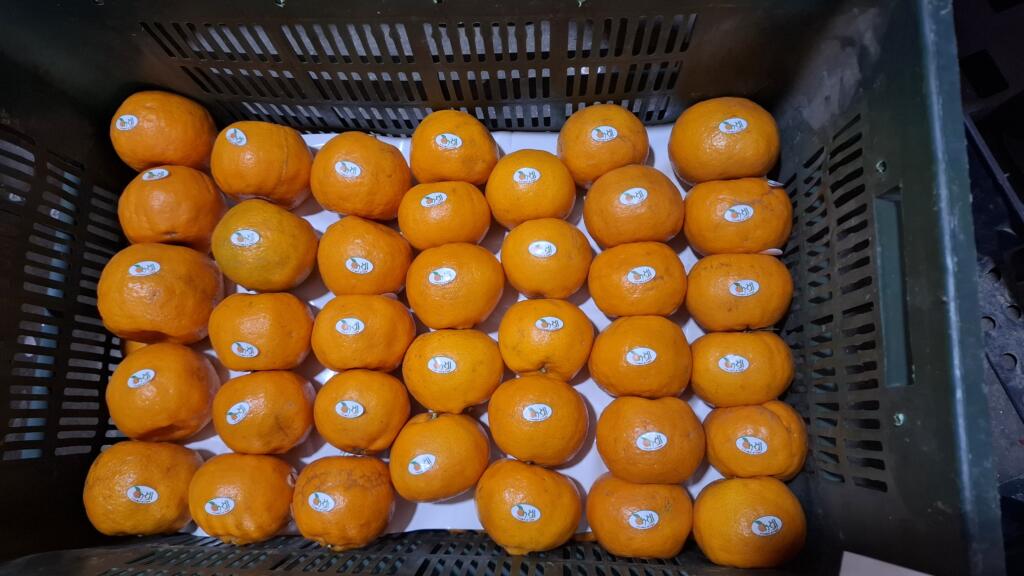
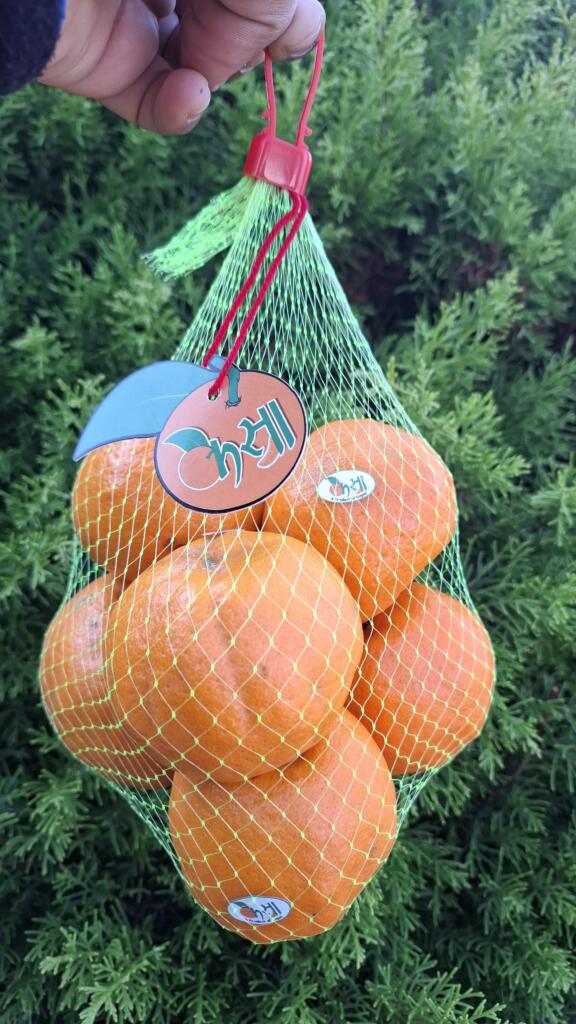
The most remarkable milestone came when Kesra mandarins crossed national borders for the first time. A shipment of 250 kilograms was successfully exported to Kuwait under the Kesra brand, with support from the private sector partner Al Saman International Pvt. Ltd. Though modest in volume, this export represented a historic achievement for both farmers and the cooperative, clearly demonstrating the potential of Nepali mandarins in international markets.
For farmers, the transformation has been deeply empowering. As one grower proudly shared, “Earlier we sold mandarins cheaply; now our own brand is helping us get a good price, and our product has reached international markets.”
The journey of Kesra mandarins from pest-affected orchards and distress sales to a branded product commanding premium prices and reaching overseas markets highlights the power of integrated interventions in pest management, cooperative strengthening, branding, and market development. This success has not only increased farmer incomes and confidence but has also positioned Kathekhola as a promising hub for high-quality mandarin production and marketing.
