
– By Krishna Dev Joshi
A Landscape Under Threat
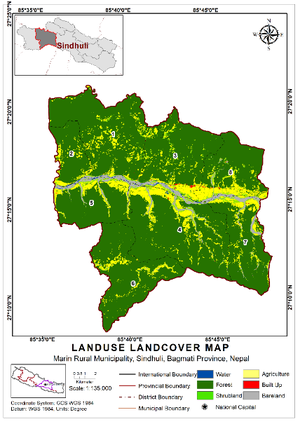
In the Marin Rural Municipality of Sindhuli located in the fragile Chure range, increasing intensity and erratic rainfall is accelerating soil loss, landslides and flash floods. These hazards have been eroding natural catchments and decreasing groundwater recharge that threatens the ecosystem services and functions communities rely on for farming, forest and water-based livelihoods.
The Degradation of an Ecosystem
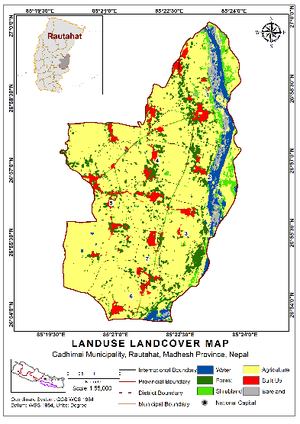
Further downstream in Gadhimai Municipality of Rautahat, the effects of climate change are experienced in different but equally transformative ways. Flooding in rivers such as the Bagmati and its tributaries and waterlogging are truly concerning as large expanses of once productive farmland are being transformed into floodplains because of poor management of floodplains. As abundant farmland are being converted into floodplains, food scarcity and fodder shortages are occurring simultaneously in those areas.
The degradation of ecosystem services has exacerbated the vulnerability of already marginalized populations belonging to the groups of landless, smallholder farmers and indigenous households.
The Inception Journey: Laying the Groundwork for Change
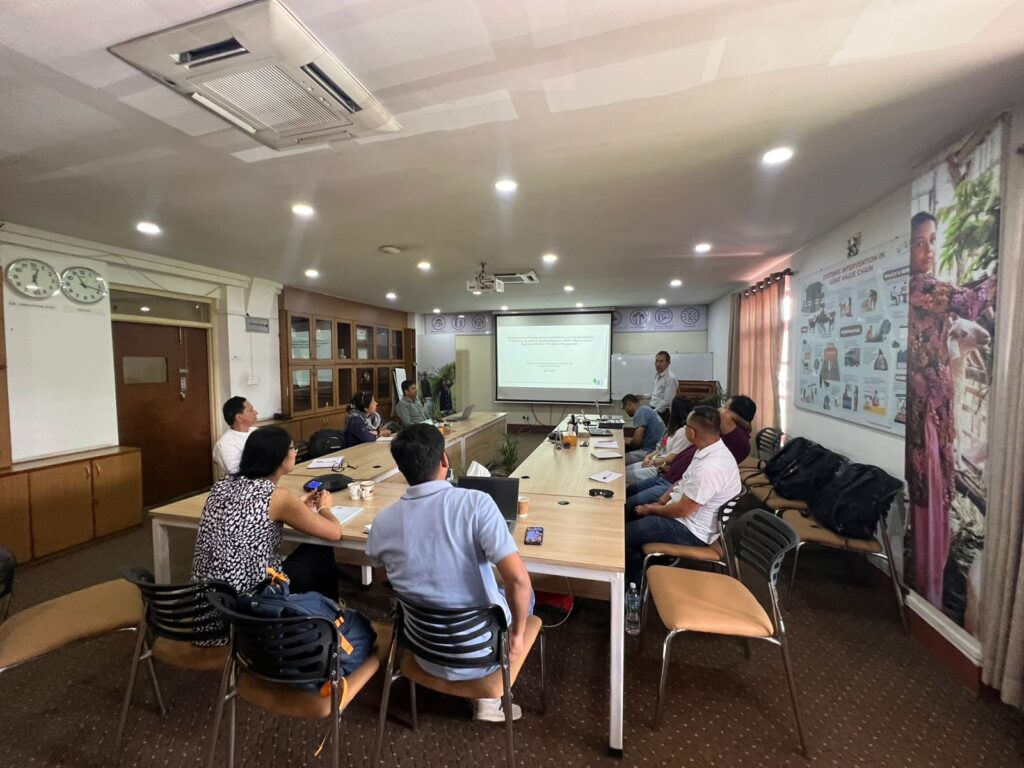
The BAGAR project conducted inception workshop with technical experts and service providers to initiate two critical components of the project: the Multi-Purpose Climate Vulnerability and Risk Assessment (MPCVRA) and the development of a training manual and delivery of capacity-building training on Ecosystem Based Adaptation/ Nature-based Solutions (EBA/NBS) on July 17, 2025 as part of setting the foundation for inclusive, evidence-based planning and implementation.
This collaborative workshop aimed to ensure that both the MPCVRA and NBS interventions are grounded in robust technical inputs and local context. The engagement of technical experts was key to aligning the assessment and training components with the project’s broader objective of building climate resilience through context-specific, community-driven and scalable solutions. The inception workshop thus served as a strategic starting point to operationalize the adaptive management approach of the BAGAR project, prioritizing the needs of vulnerable communities through participatory and knowledge-informed processes.
Multi-Stakeholder Participatory Climate Vulnerability and Risk Assessment (MPCVRA)
A Multi-Stakeholder Participatory Climate Vulnerability and Risk Assessment (MPCVRA) has been initiated and will be carried out in both Marin Rural Municipality and Gadhimai Municipality to understand and assess climate impacts on agriculture, forestry, ecosystems and livelihoods. This multi-stakeholder participatory assessment draws upon qualitative knowledge of local communities and marginalized groups alongside technical tools such as GIS-based vulnerability mapping and hazard mapping. The understanding of these vulnerabilities will provide particular attention to the root causes of vulnerability of communities who are facing loss ecosystem services along with expanding floodplains.
Training manual on Nature-Based Solutions (NBS) and Capacity Building
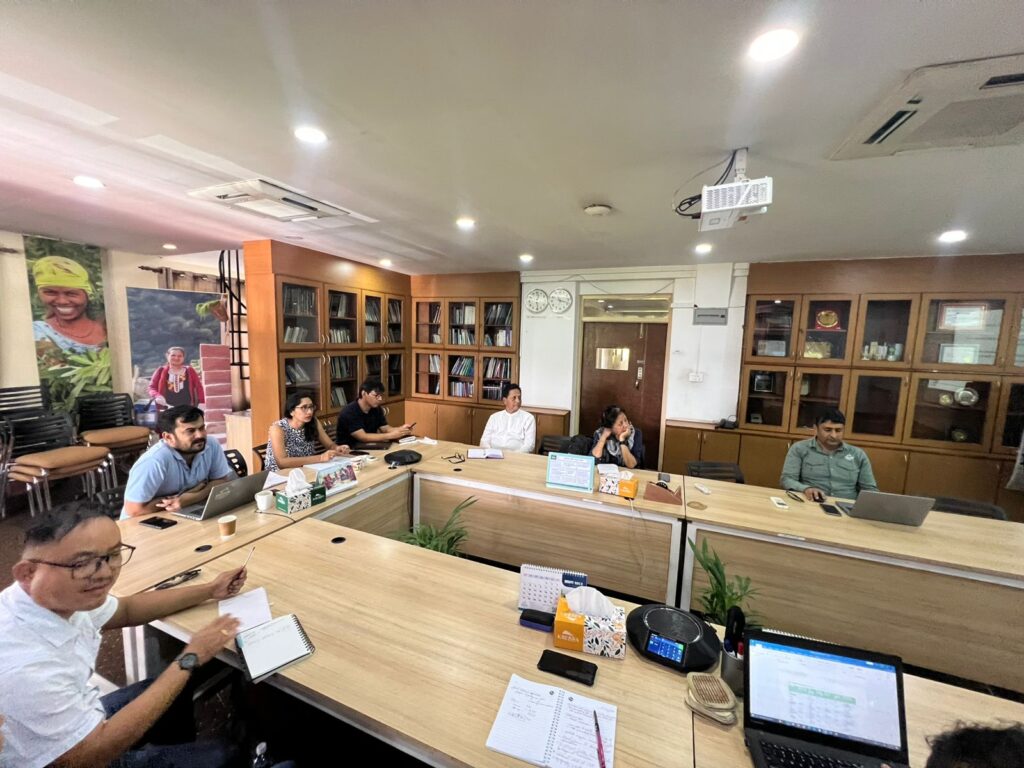
A localized training manual will be finalized incorporating traditional knowledge systems and findings from MPCVRA to ensure relevancy and practicality. Tailored training sessions will be designed and delivered to 16-ward and 2- municipal level EBA Forums in Marin RM and Gadhimai Municipality based on the training manual. The training will emphasize experiential learning through field visits and hands-on group exercises using climate friendly and sustainability lens with an aim to promote ecosystem based, locally-led solutions and demonstrate how EBA/NBS plans and practices can be effectively integrated in local level governance policies and planning processes for floodplain management.
BAGAR's Vision: Nurturing Nature for a Resilient Future
Collectively, MPCVRA employs integrated spatial analysis and participatory data collection to map instances of hazard exposure, vulnerability and ecosystem degradation across Marin and Gadhimai which will support detail identification of climate risk hotspots and the underlying drivers of vulnerability in those regions. Building on these findings from MPCVRA, customized EBA/NBS training program has been envisioned to strengthen local capacity to design and implement ecosystem-based adaptation interventions such as native species agroforestry and sustainable floodplain management in order to stabilize soil, improve water retention and restore ecosystem services through effective floodplain management.
A Landscape Under Threat
In the Marin Rural Municipality of Sindhuli located in the fragile Chure range, increasing intensity and erratic rainfall is accelerating soil loss, landslides and flash floods. These hazards have been eroding natural catchments and decreasing groundwater recharge that threatens the ecosystem services and functions communities rely on for farming, forest and water-based livelihoods.
