– By Balgopal Sigdel
The global fuel crisis has exposed a critical vulnerability for many rural communities in Nepal that continue to rely heavily on imported cooking fuels such as LPG and traditional firewood. Rising prices, irregular supply chains, and market instability have significantly increased household energy costs, placing additional pressure on already resource-constrained families.
In this context, the Model Dairy Village (MDV) initiative in Sindhuli presents a strong example of how locally driven, sustainable solutions can enhance community resilience. Rooted in Heifer Nepal’s “caring for the earth” approach, the initiative promotes responsible resource use, environmental stewardship, and circular farming systems that strengthen both livelihoods and ecosystems.
Rather than depending on fragile external systems, MDV emphasizes local resource mobilization, community ownership, and sustainable agricultural practices to build long-term energy and livelihood security.
The intervention went beyond installation, focusing strongly on sustainability, functionality, and community ownership. Regular household follow-ups were conducted to identify technical challenges, provide troubleshooting support, and ensure long-term system performance. Essential spare parts such as gas tapes, valves, washers, and drainage components were also supplied when needed.
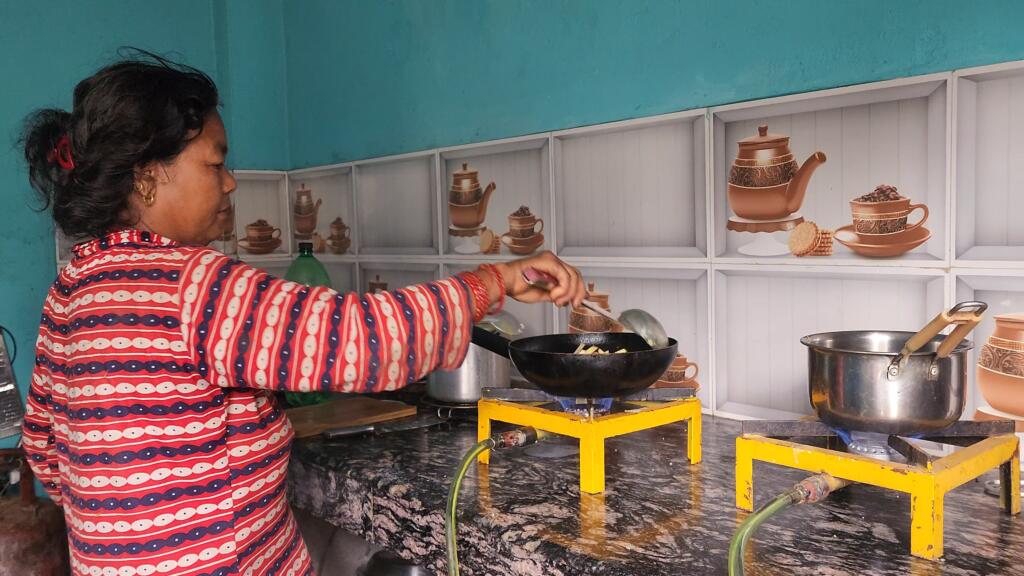
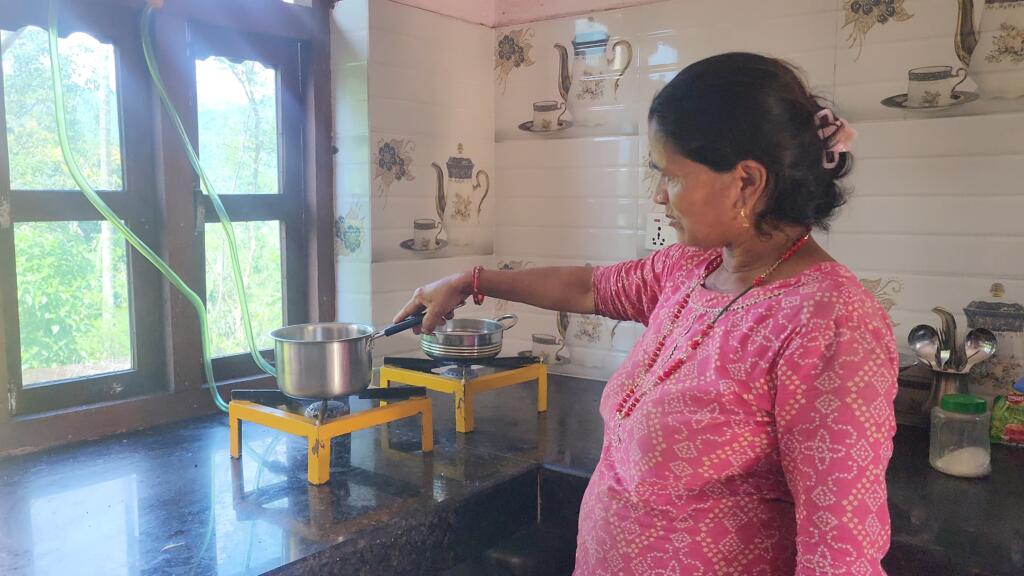
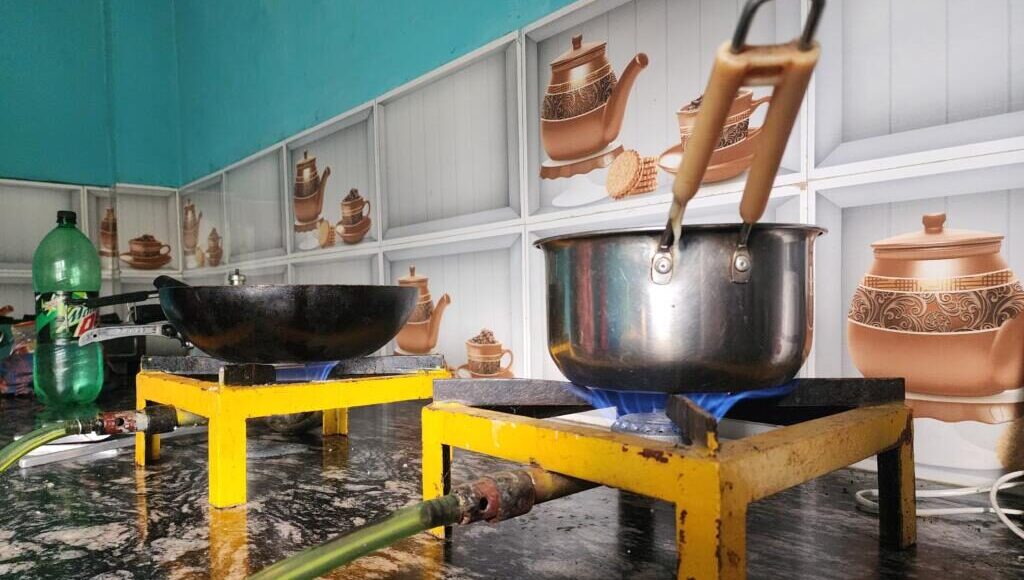
To further enhance energy resilience, households were introduced to two-stove biogas systems, significantly reducing or eliminating reliance on LPG. Farmers also participated in monthly Farmers Field Schools (FFS) and household-based training sessions focused on maintenance, repair skills, and efficient system use.
This integrated approach combining technology, capacity building, and local ownership ensured that communities could independently manage and sustain their energy systems.
Caring for the Earth: Environmental and Agricultural Benefits
Aligned with Heifer Nepal’s caring for the earth philosophy, biogas systems contribute directly to environmental restoration and sustainable farming practices.
The slurry produced from biogas plants serves as a high-quality organic fertilizer, improving soil fertility, reducing chemical fertilizer dependency, and supporting regenerative agriculture. This strengthens long-term soil health and increases agricultural productivity in a sustainable manner.
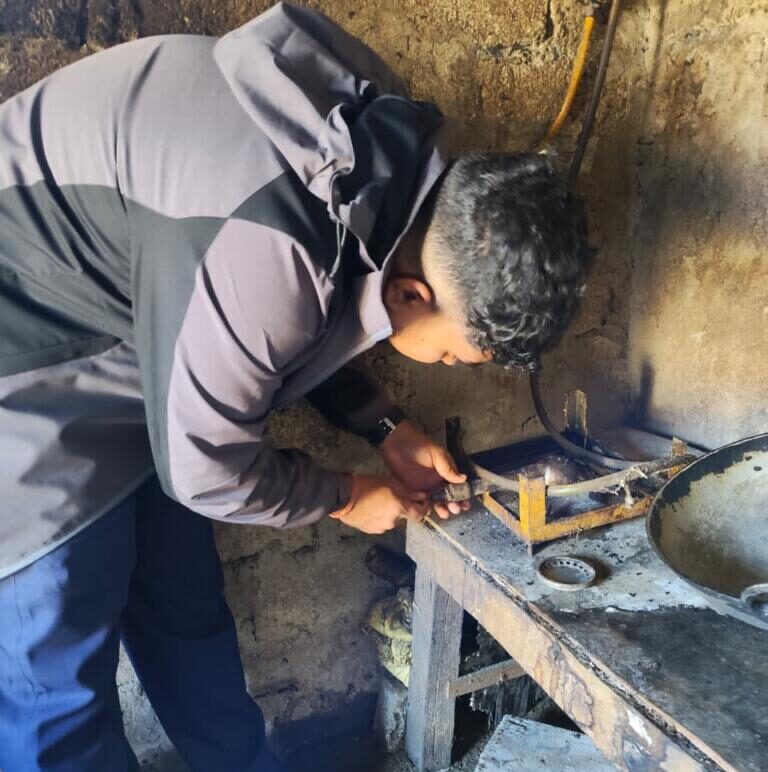
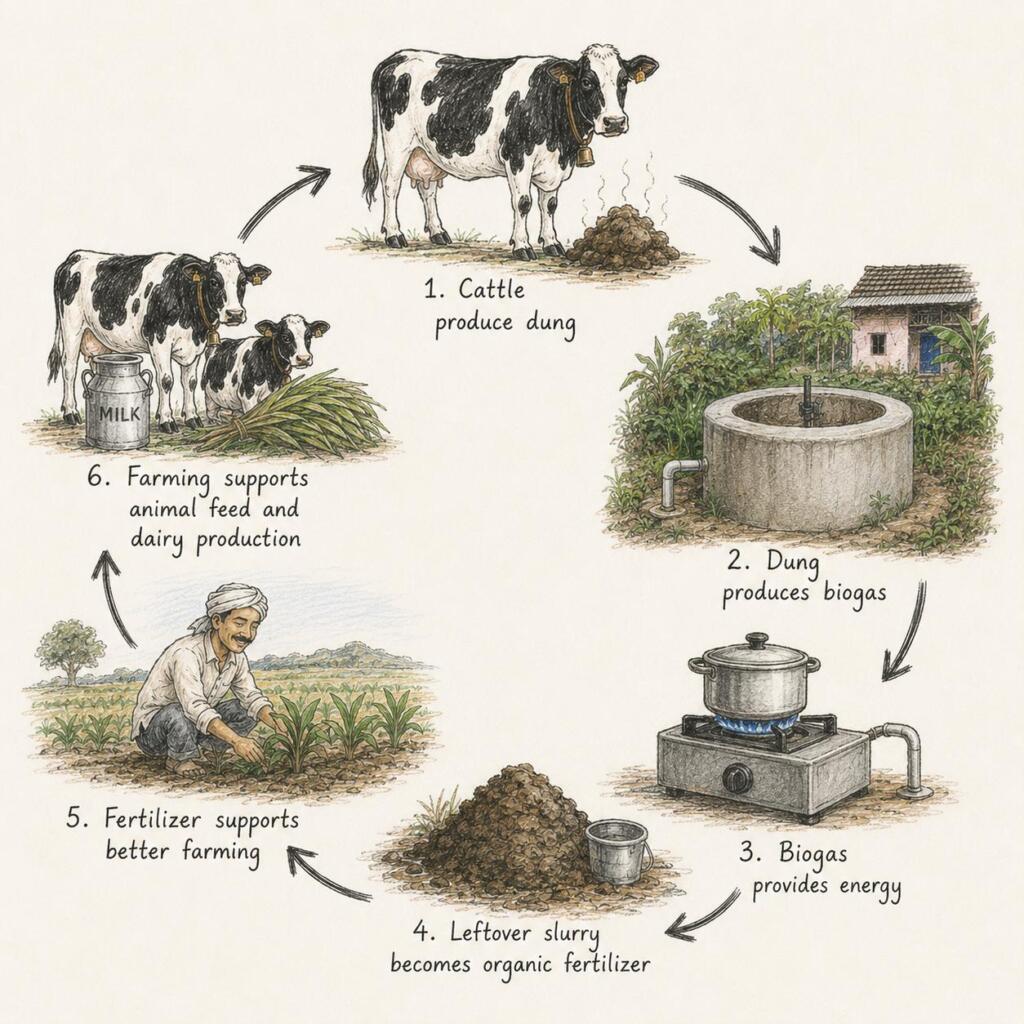
Biogas systems also significantly improve environmental sanitation. Traditionally, unmanaged cattle dung contributes to odor, water contamination, and methane emissions. By capturing methane for energy use, biogas systems reduce greenhouse gas emissions while improving hygiene in households, cattle sheds, and surrounding environments.
These improvements contribute to healthier ecosystems and safer living conditions for both people and livestock.
Biogas as a Clean and Affordable Cooking Energy
One of the most visible impacts of biogas adoption is the transformation of household cooking energy practices. As LPG prices continue to rise, many rural families face increasing difficulty in maintaining regular fuel supply, with some reverting to firewood leading to deforestation and indoor air pollution.
Biogas provides a clean, reliable, and locally produced alternative. It burns with a smokeless blue flame, improving indoor air quality and reducing respiratory health risks, particularly for women, children, and elderly household members.
On average, participating households have reduced LPG consumption by approximately 0.61 cylinders per month after adopting biogas systems. In addition to cost savings, families also benefit from reduced time spent collecting firewood and managing fuel shortages, allowing more time for productive agricultural and income-generating activities.
A Pathway Toward Resilient and Sustainable Rural Systems
The Model Dairy Village initiative demonstrates how renewable energy, when combined with community ownership and sustainable agriculture, can transform rural livelihoods.
Through the integration of biogas technology, organic waste management, and capacity building, communities in Sindhuli are building systems that are economically efficient, environmentally responsible, and socially resilient.
More than just an alternative energy source, biogas represents a broader shift toward circular, climate-smart, and earth-friendly rural development. Guided by Heifer Nepal’s caring for the earth approach, dairy communities are strengthening their resilience to global fuel shocks while actively contributing to healthier ecosystems and a more sustainable future.