– By Prabin Gurung
For generations, Passing on the Gift has been at the heart of Heifer’s work, showing that generosity is never just about giving. It is about the cycle it begins; one opportunity leading to another, a farmer’s success strengthening a family, a family’s progress uplifting a community, and resilience opening doors for the future. Through storytelling, we see that engagement is transformational, inviting each of us to be part of a movement where gifts are shared, multiplied, and sustained. In the end, every gift becomes more than a moment of kindness; it becomes a legacy of hope and resilience carried forward across generations.
Every gift carries a story. It begins with a simple act of trust and grows into something far greater than the moment it started. Over time, it becomes clear that generosity is not just about giving resources. It is about sparking cycles of opportunity that spread across families, communities, and generations. The true power lies in how we share these stories, with empathy and authenticity, honoring the lives that embody Passing on the Gift®.
Heifer’s history in Nepal stretches back to 1957, when shipments of cattle, pigs, sheep, and poultry were sent at the government’s request to strengthen native livestock populations. Decades later, in 1993, the Baruwa Goat Raising Project in Chitwan became the first Heifer project in Nepal, benefiting 25 women. That project began a chain of opportunity that continues today.
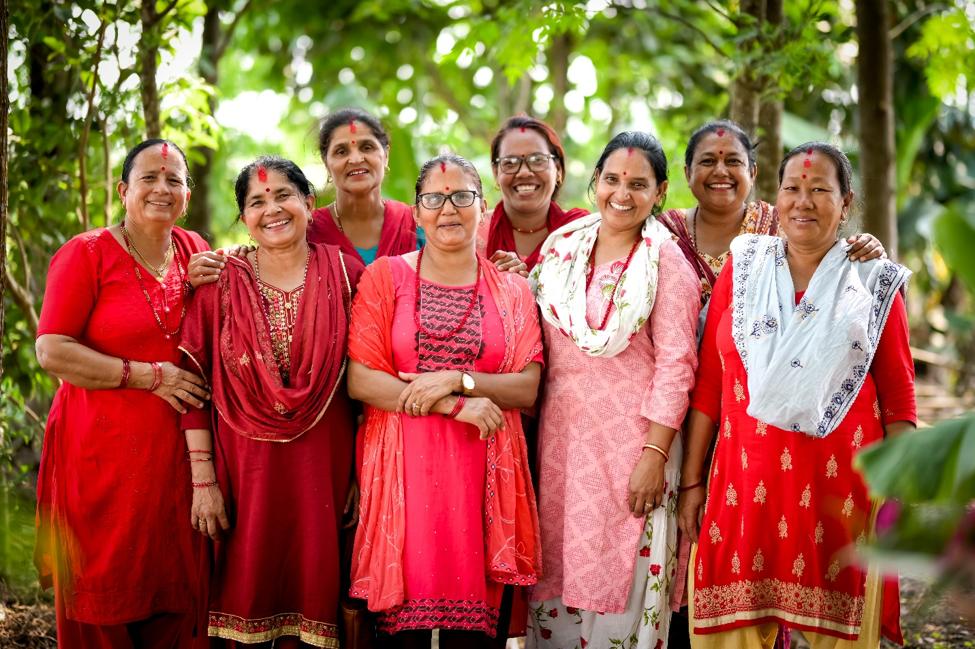
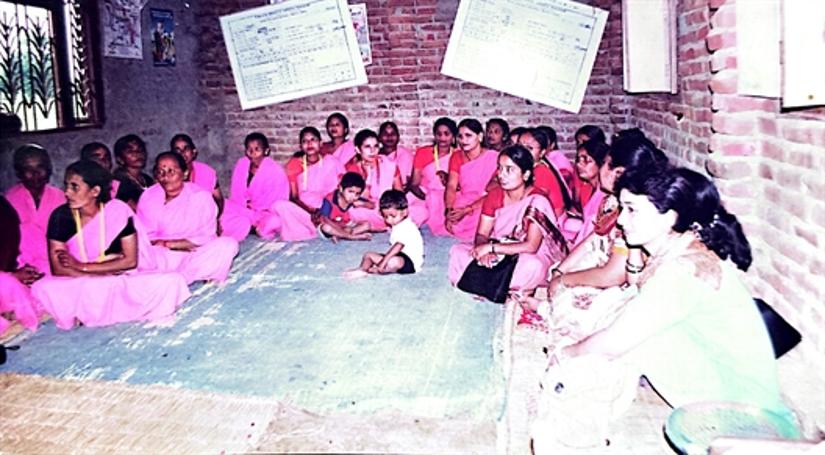
Since then, Passing on the Gift® has been carried forward again and again, reaching new families and communities. Remarkably, the goats from that first project have now been passed on to the 19th generation, each cycle creating new opportunities and strengthening the bonds of trust and resilience.
I think of Saraswati Timalsina from Bharatpur-8, Parasnagar, who recently passed on the 19th batch of goats since that first project. The first step in her journey was forming a self-help group, where women came together to pool savings, share knowledge, and support one another in managing livestock and household needs. Over time, the group grew into a platform for training, financial literacy, and mutual accountability, ensuring that when one family thrived, others benefited too, She reflected: “The gift we received was never meant to stop with us. By passing it on, we ensure that the change continues, that every family can taste the same security and opportunity we now have.” Her words capture what numbers alone cannot—the lived experience of resilience and dignity that grows from one act of generosity.
Her story reminds us that generosity is not only personal but collective, and that the strength of community is what carries change forward.
The Changing Landscape of Support
The way people engage with causes is shifting. Across the world, support is shaped less by institutions and more by personal values, faith, and lived experiences. People want to see themselves in the story. They want to know their contribution matters.
This is evident in diaspora communities who continue to support efforts back in their communities, not only through formal campaigns, but also because of emotional ties to their roots. It is also clear in young people who prefer to engage through digital platforms, where they can follow stories in real time. These shifts remind us that those who give or participate are not simply supporters. They are originators of a movement. Every gift is not the end of a transaction but the beginning of a narrative.
Why Passing on the Gift Still Resonates
For more than 80 years, Passing on the Gift® has been Heifer’s heartbeat. It embodies the belief that when people are trusted with opportunity, they create value that extends far beyond themselves.
It started with a single gift. A cow. A goat. A chance for a family to build a better future. But the true value was never only in the gift itself. It was in what happened next.
- A family became more resilient.
- A child gained access to education.
- A woman built confidence and economic independence.
- A community strengthened its capacity to thrive.
And through Passing on the Gift, one opportunity became the foundation for many more. Today, that same spirit continues in new ways. Together with communities around the world, Heifer is helping smallholder farmers, women, and young entrepreneurs build sustainable livelihoods through regenerative agriculture, climate-smart solutions, technology, enterprise development, and stronger local institutions.
This reminds us that real transformation happens when opportunity is not simply received. It is shared, strengthened, and passed forward.
How We Can Connect Differently
Stories are our bridge to people’s hearts. By reshaping how we tell them, we can stand out and create deeper, more authentic connections with today’s audiences.
1. Language & Framing
- Shift the language from “fundraising” to “participation.” People want to be invited into a movement, not a transaction. Saying “Join a cycle of opportunity that grows across generations” feels different than “Donate to a project.”
- Cross-generational narratives: Highlight how Passing on the Gift resonates differently with grandparents, parents, and youth, showing continuity across time.
2. Participatory Storytelling Approaches
- Human-centered storytelling: Beyond success stories, we need participatory narratives, short videos, testimonials, and multi-generational accounts of Passing on the Gift.
- Community-led storytelling: Invite farmers, women, and youth to co-create content, podcasts, blogs, or short films, so audiences hear directly from those driving change.
- Micro-engagements: Offer bite-sized opportunities like one-minute stories or impact snapshots that fit into busy digital lives while still sparking emotional connection.
3. Digital & Participatory Tools
- Expand the gift catalogue: Livestock remains powerful, but today’s audiences also want to invest in solar irrigation, digital tools, youth innovation, and regenerative farming.
- Personalized journeys: Gratitude campaigns, immersive experiences, and direct messages from cooperatives make people feel like co-authors of change. A thank-you video from a farmer carries more emotional weight than a receipt.
- Interactive digital experiences: Create online maps or dashboards where supporters can trace how gifts are passed forward, showing the cascade of impact in real time.
- Cause-linked challenges: Launch participatory campaigns such as “Pass It Forward Week” where supporters share their own acts of generosity online, connecting personal stories to Heifer’s mission.
Why Stories Matter
Listening to families and their journeys reminds us that generosity is never just about the gift. It is about connection, trust, and seeing ourselves in someone else’s story.
A gift is more than a contribution. It is the beginning of a cycle. Participation in Heifer’s work is not simply about supporting a project. It is about joining a movement where one opportunity creates another, a farmer’s success strengthens a family, a family’s progress strengthens a community, and a community’s resilience creates a pathway for future generations. Generosity becomes part of a story that perhaps continues long after the first gift.
Storytelling is not an add-on to our work. It is the work. It is how we show that engagement here is not transactional, but transformational. It is how we invite people to see themselves as part of a regenerative cycle where opportunity is passed forward, multiplied, and sustained.
And that is where Heifer’s strength lies. Not just in the programs we run, but in the stories we nurture. Stories that begin with a single gift, but continue to inspire trust, hope, and participation long after.
Because in the end, every gift is more than a contribution. It is the beginning of a story. And when that story is passed forward, as Saraswati’s journey and the 19th generation of Passing on the Gift remind us, it becomes a legacy that multiplies across generations.
(To see this legacy in motion, watch the story of the 19th generation of Passing on the Gift: “Passing On The Gift: From One Generation to Another.”)